
HPMC, HPS, RDP and PVA: What Is the Difference?
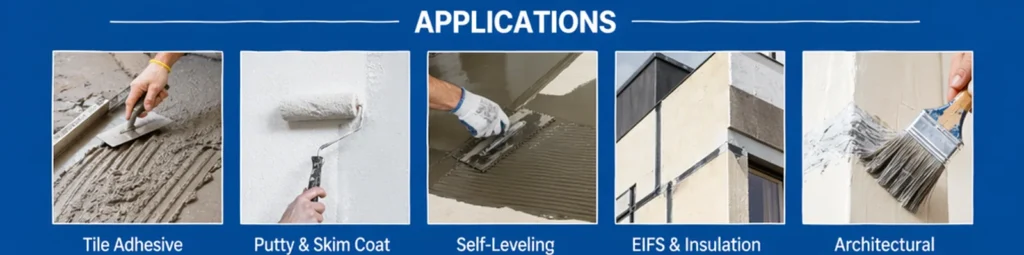
HPMC retains water and thickens. HPS reduces sag. RDP improves adhesion and flexibility. PVA provides adhesion and film formation.
What Grouting Mortar Polymer Powder Does
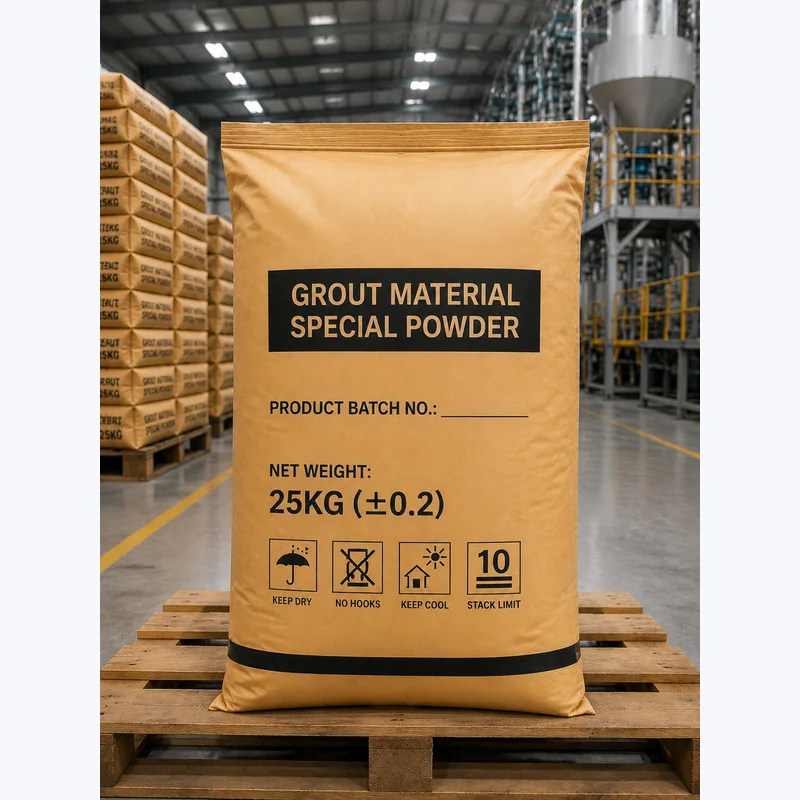
Grouting mortar polymer powder improves flow, adhesion and crack resistance in cement-based grouts.
What Tile Adhesive Polymer Powder Does
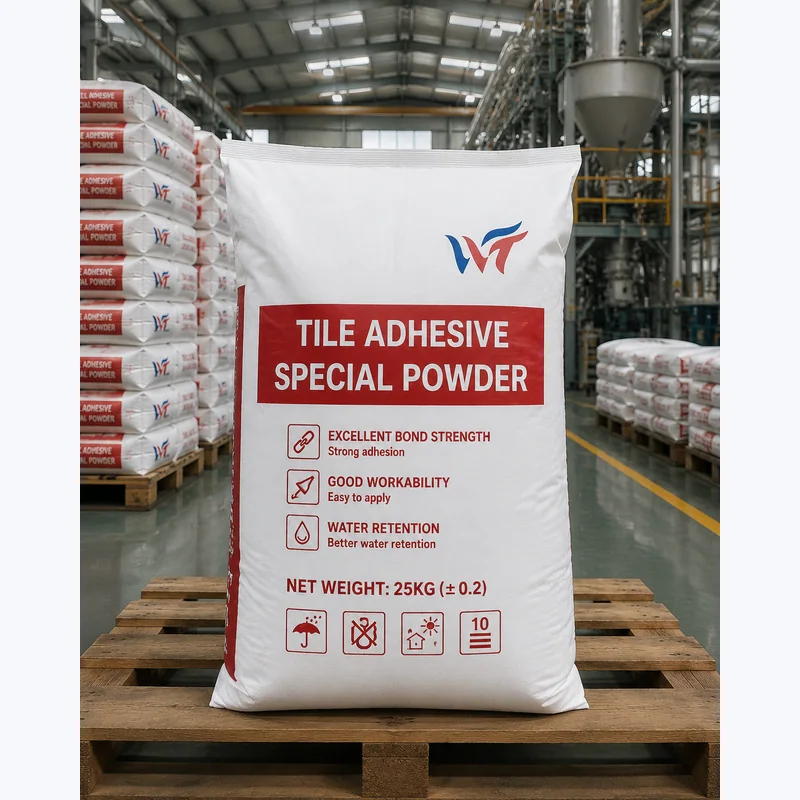
Tile adhesive polymer powder improves adhesion, flexibility, slip resistance and handling in cement-based tile adhesives.
PVA 2488: Adhesion and Film Formation
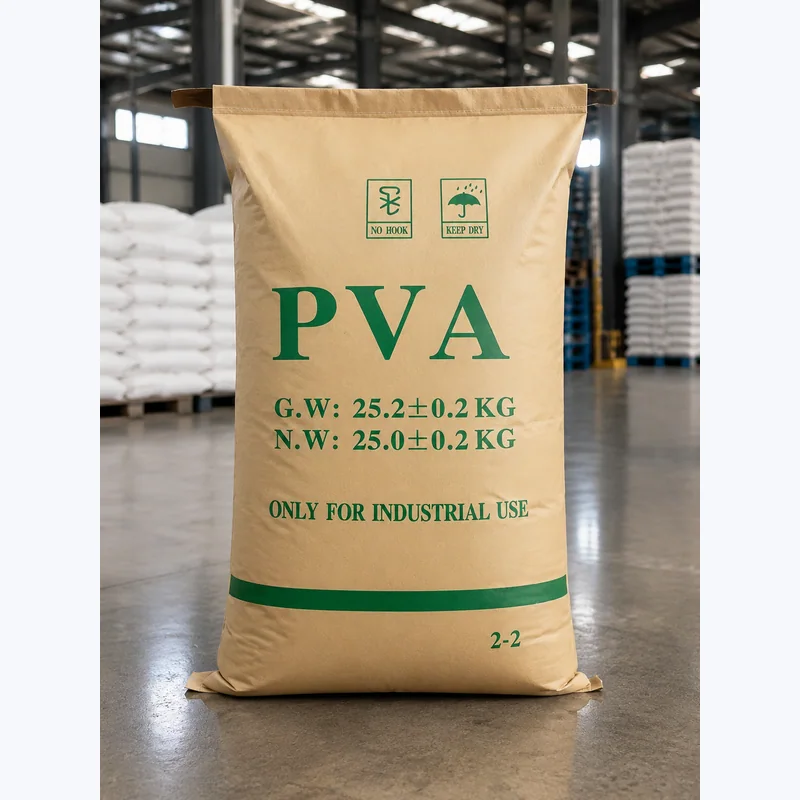
PVA 2488 is a water-soluble polymer used to improve adhesion, form a film and reduce surface dusting.
How Starch Ether Reduces Tile Slip
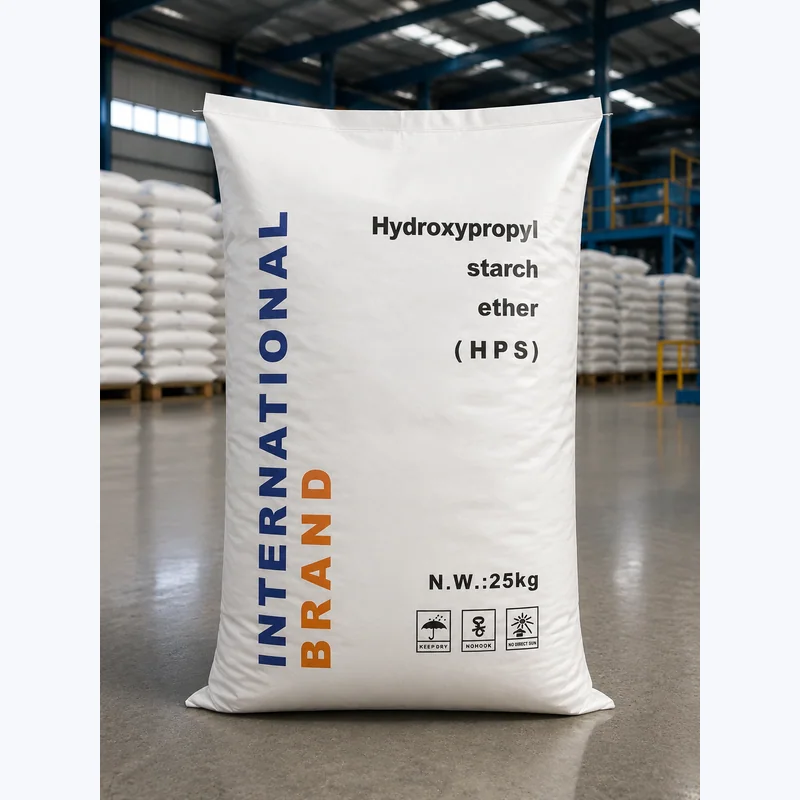
Hydroxypropyl starch ether adjusts mortar consistency and improves trowelling, helping reduce sag and tile slip on walls.
How PP Fiber Helps Reduce Mortar Cracks
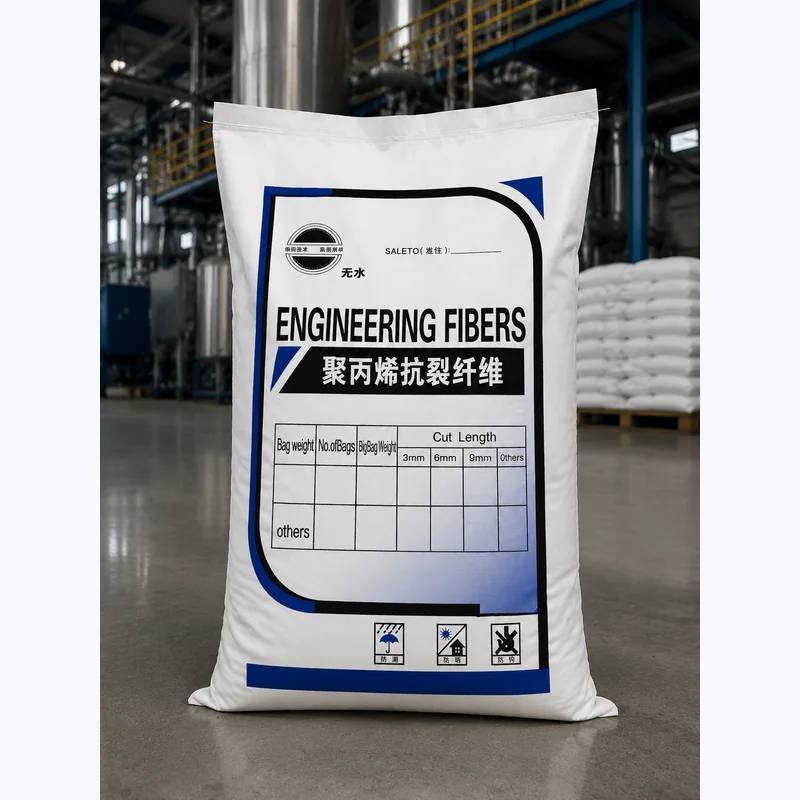
Polypropylene fibers form a dispersed network in concrete or mortar to help reduce plastic shrinkage cracks.
Calcium Formate for Early Strength
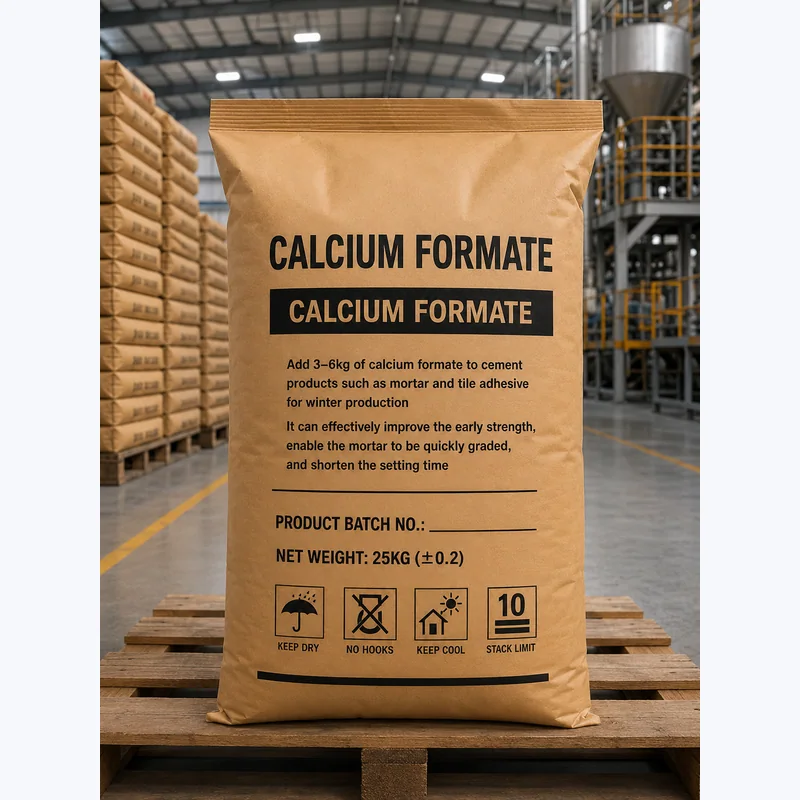
Calcium formate accelerates cement hydration, setting and hardening to improve early strength in cement mortar and tile adhesive.
PCE: Water Reduction, Flow and Slump Retention
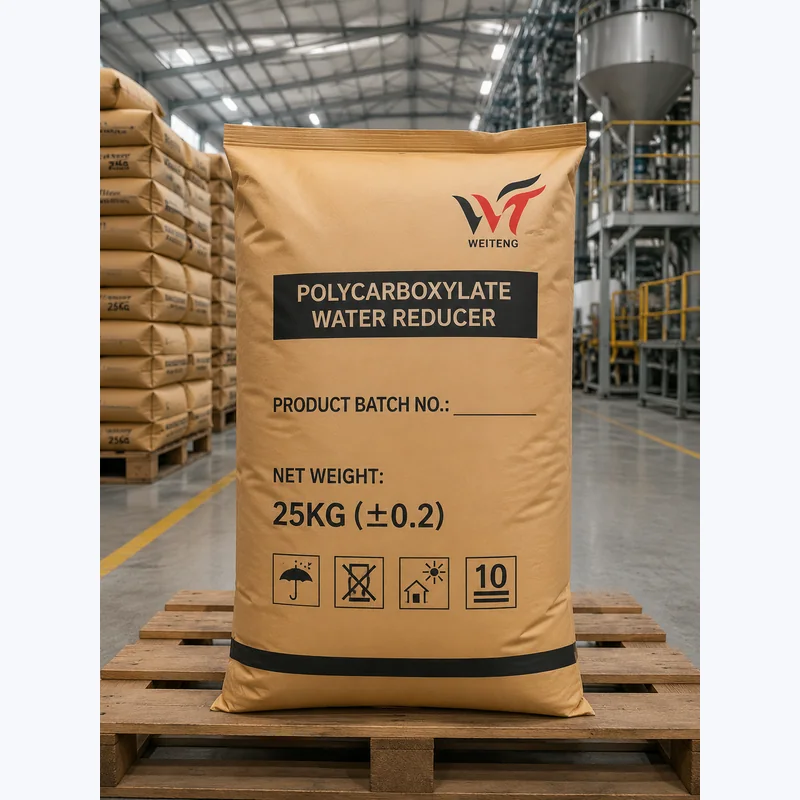
PCE helps concrete use less water and retain flow. It is also used in self-leveling mortar and grout.
How RDP Improves Mortar Adhesion
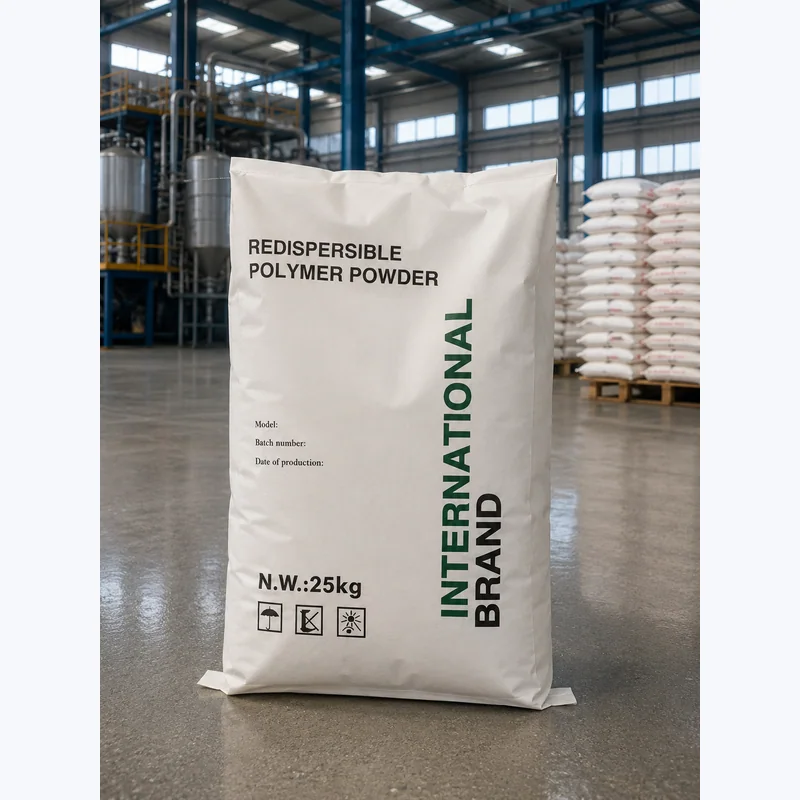
Redispersible polymer powder forms an emulsion again when mixed with water. It improves mortar adhesion, flexibility and water resistance.
What Does HPMC Do in Mortar?
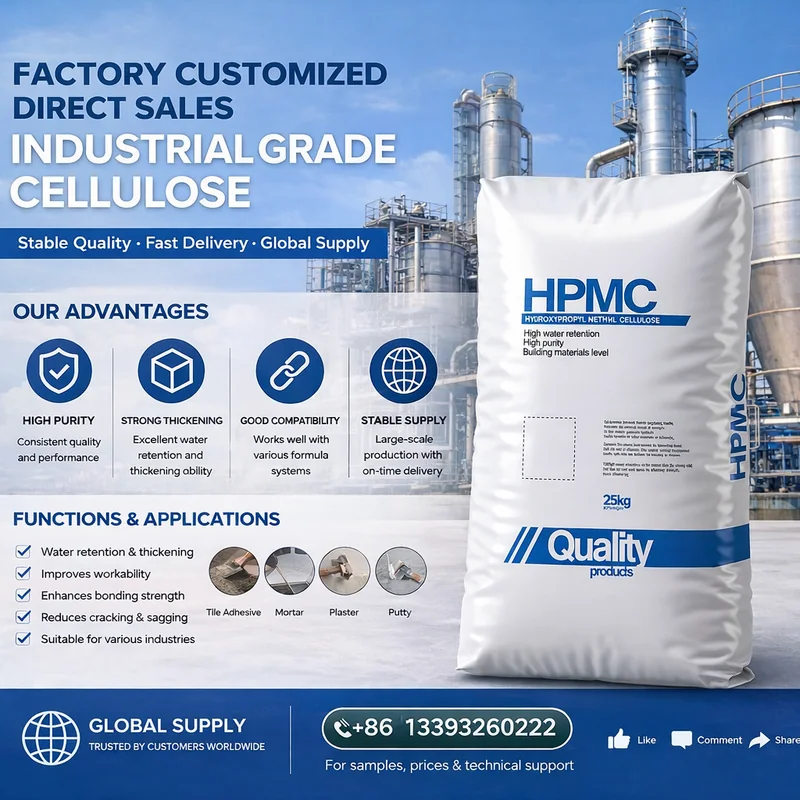
HPMC is a cellulose ether that retains water, thickens mortar and makes it easier to mix and spread.